
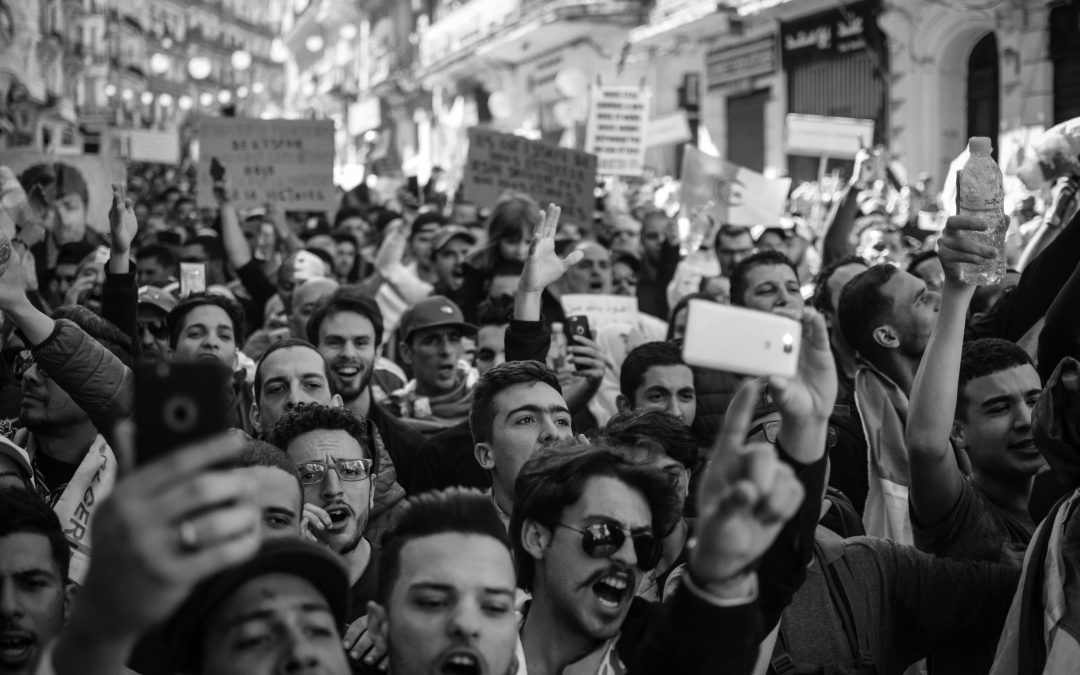
Dealing with Civil Unrest
Almost daily the Foreign & Commonwealth issue warning bulletins on unrest in countries far and wide. In many countries civil unrest and protests are the result of national factors like government economic decisions, corruption, vote rigging, or censorship and persecution of ethnic and religious minorities. However they can be localised factors for example action to stamp out drug or gun crime.
Civil unrest can range from massed protests to damage to shops and buildings, looting and the erection of roadblocks which can be occupied by armed protesters or armed government backed militia or politically motivated groups.
Incidents can be isolated or sometimes spread across a wider region or country for a sustained period. When localised there tends to be limited coverage by even local media so you may be involved in an incident without warning.
Case Study – Haiti
Haiti is considered by many to be a politically unstable country and the poorest in the Caribbean. There is a history of political uncertainty and of coups – the 2015 election process took a total of 15 months to produce a winner following an annulment and several cancelled reruns. In November 2016 Jovenel Moise was declared the winner and sworn in on February 2017. Then after 13 years, United Nations peacekeepers left Haiti, having helped throughout a deadly earthquake, hurricanes, a protracted political crisis and a presidential election.
You may have been aware of the recent political demonstrations in Haiti which closed down a lot of services and infrastructure for around 12 days including banks. As time went on the shelves became completely bare – no bread, no vegetables, no fruit, and no meat. One of our policyholder’s volunteers reported that on one meat aisle they just saw a pack of chicken feet and another of pig’s ears. Some volunteers had to shorten or cancel their visits, and one team which went out to Yvon had to be flown back to Port-au-Prince by helicopter as the roads were blocked.
Will Insurance Help?
Yes to an extent. Many insurance policies do provide evacuation cover for political unrest, but this is only one part of the provisions that organisations need to make. It helps to understand that insurers can only provide on a civilian “best endeavours” basis. So, if the airport is shut and the roads are impassable due to civil unrest, it is likely there will be very little they can do to help other than to advise by telephone. In these circumstances the risk to life can be significant.
Many insurance policies come with useful Portals or Apps as an added value service.
Would your organisation have a plan prior to any unrest occurring?
The tricky bit can be deciding on what level of flexibility you would give your people to make their own decisions since you will still have a duty of care to them and yet they may need to make instant decisions. We would suggest that you evaluate your organisation’s tolerance to risk and monitor the current local situation against the initial risk assessment. As well as provide well thought through actions they should take in likely scenarios.
In terms of deciding whether it is possible to wait out the protests, it is always difficult to determine how long they may last for. In Haiti for example, the primary cause of the unrest was overall disapproval of the current President who is committed to remaining in office, so protests may be ongoing for some time.
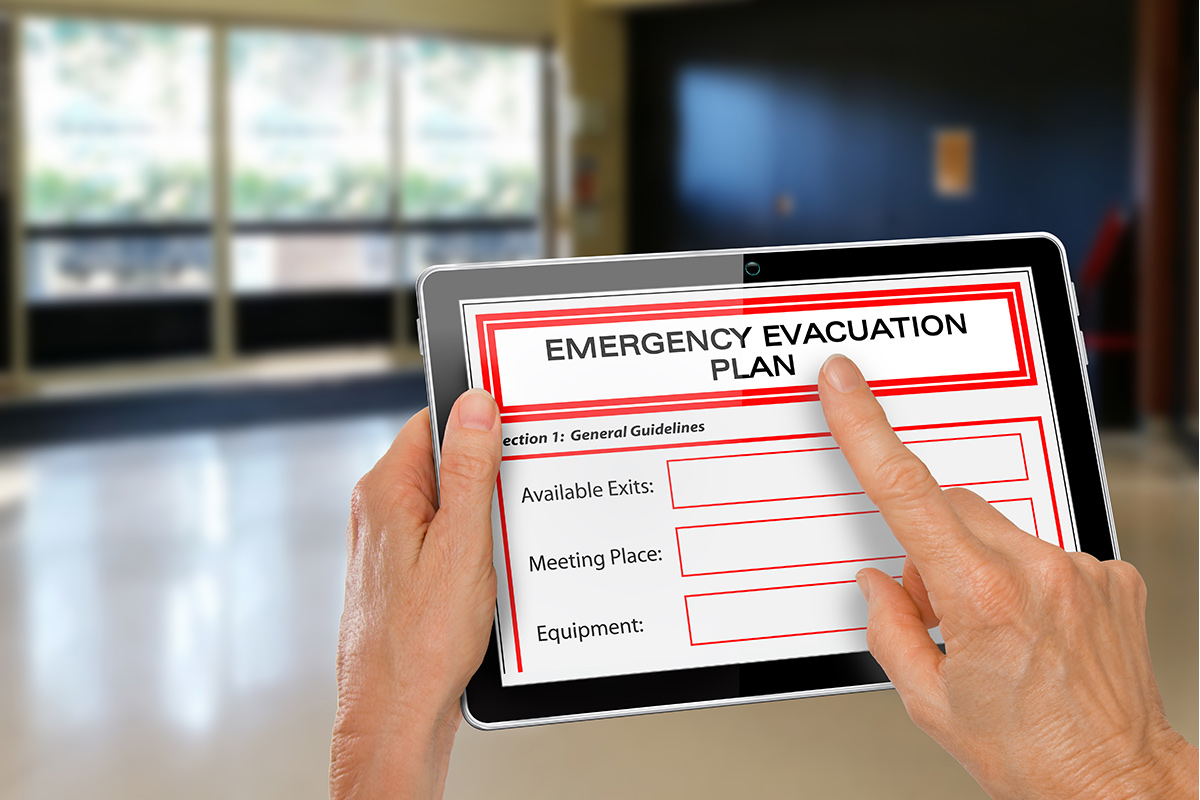
Scenarios to consider include:
- Shortages in food, water and fuel – which could impact the basic infrastructure. How long will supplies last and how secure is it from looting. Do your people have access to enough cash if the banks cease to function?
- What communications capabilities exist if the local cell tower/aerials go down – is there access to a satellite phones and does anyone know how to use them?
- What medical kit is available and are staff trained to use it correctly?
- Where are your people exactly and are, they staying in that location or moving around? If so, where to, when and is this closer or further away from the airport or evacuation point? Who are they travelling with? Do they, and you, know their co-ordinates in the event of an evac being necessary and available?
- Available road routes may change quickly and with little notice due to street protests and illegal roadblocks / security checkpoints. What planning has been done to determine alternative routes to the evacuation point?
- Do you have suitable means of transport to the evacuation point and are local staff able to get them there? Is there already a security team on site with them that would/could move the staff? Generally, assistance companies recommend 2 SUVs and 2 Certified Protection Officers (armed as permitted by local regulations) and 2 Security Drivers – the primary aim being to keep safe and maintain a low profile.
- How closely do you work with similar organisations, could you piggyback their evacuation and/or “bunker” down with them if their location is secure? Or would you be willing to let others share your arrangements?
- If your personnel do stay, how secure are the buildings they intend to “bunker” down in and are they susceptible to looting? Do they need to travel to get there or are they already at that location? If recognised locally as a prominent organisation, how much of a target are you?
- What are the nationalities that would need to be evacuated? Does this limit options as to where they may be evacuated to and the ease by which they can leave?
Whilst you can’t reasonably be expected to cover every possible outcome, a published and understood plan is important should the need arise to communicate with or evacuate personnel from a potentially dangerous situation.
If, despite the best of planning, your volunteers get caught up in a situation would they know how to behave?
Need more help?
Speak to a member of our specialist insurance team today on